Rebound: a major industrial project shaping the fuels of the future
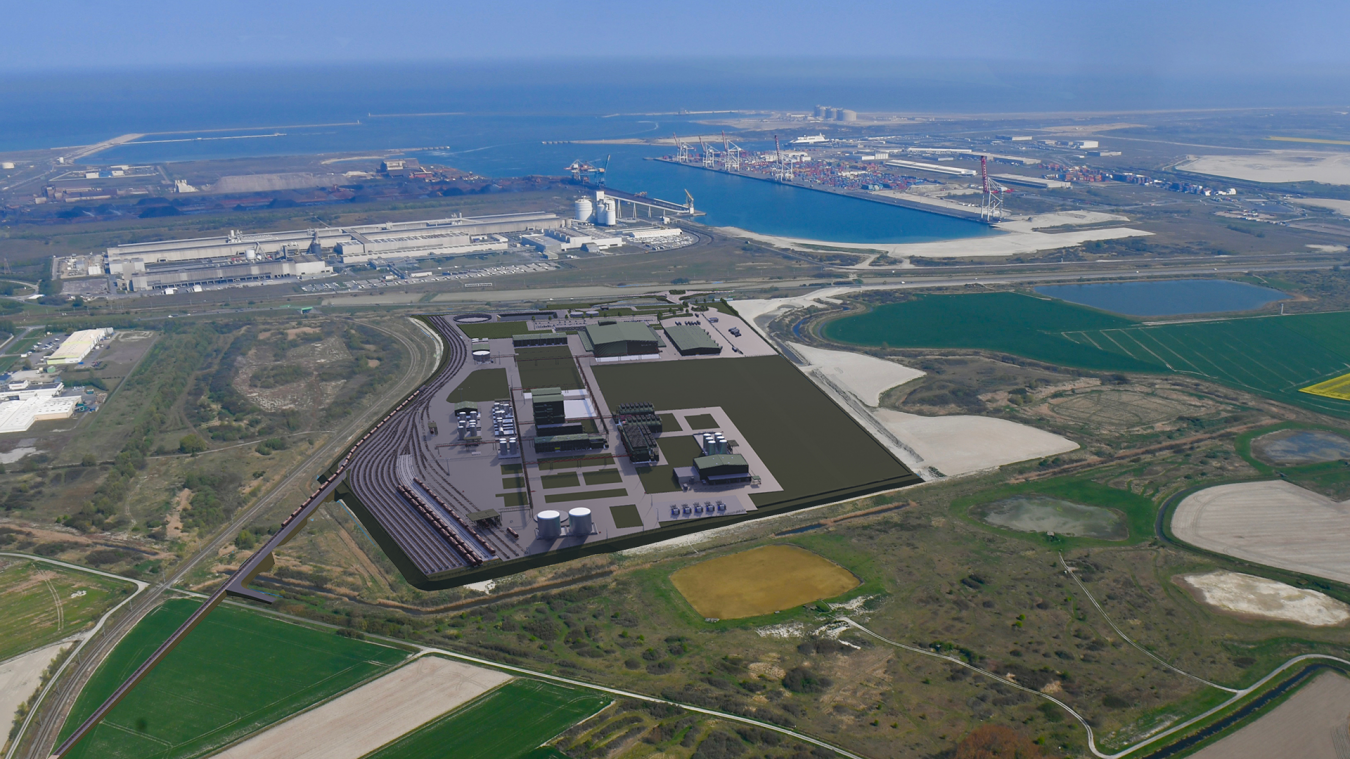
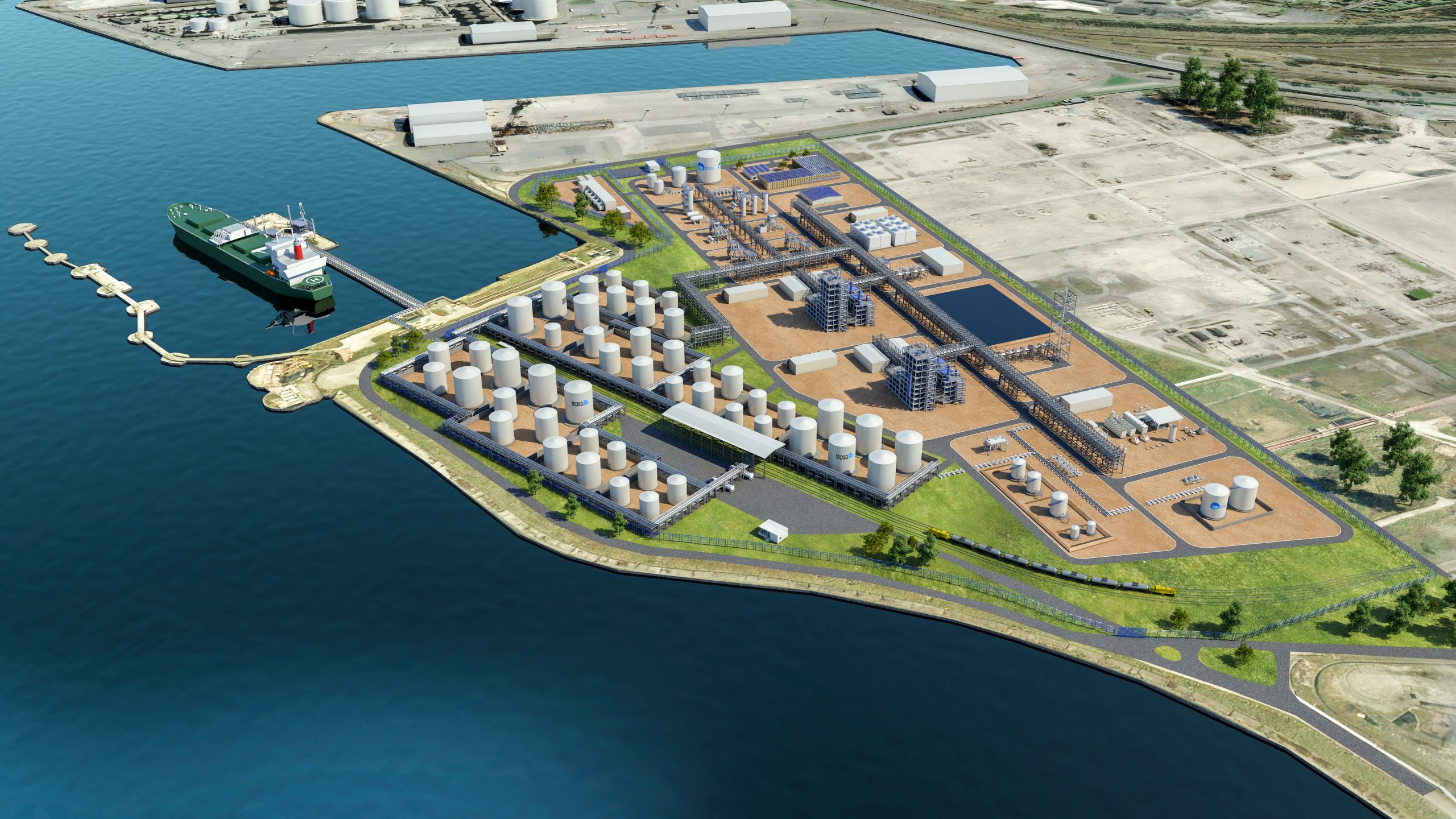
The Port of Dunkirk is set to host one of Europe’s most ambitious projects in the field of sustainable aviation fuels (SAF). Technip Energies, Airbus, Safran and Tereos have announced plans to establish the Rebound joint venture, which will develop a large-scale sustainable aviation fuel production facility in the Hauts-de-France region.
The objective is clear: to produce up to 160,000 tonnes of sustainable aviation fuel (SAF) annually using Alcohol-to-Jet (AtJ) technology, positioning the future Dunkirk facility among the largest of its kind in Europe.
Addressing the challenges of aviation decarbonisation.
The aviation sector faces a major challenge: drastically reducing its greenhouse gas emissions while maintaining growth. Sustainable aviation fuels (SAF) are now considered one of the most effective solutions for achieving this objective. Under the European ReFuelEU Aviation regulation, their share in aviation fuels must reach 6% by 2030 and gradually increase to 70% by 2050.
La technologie retenue par Rebound repose sur la transformation d’éthanol avancé issu notamment de résidus agricoles et forestiers en carburant aéronautique compatible avec les infrastructures et les moteurs existants. Cette approche permet d’accélérer la transition énergétique sans nécessiter de modifications majeures des flottes actuelles.
Why was Dunkirk selected for this strategic project?
The choice of the Port of Dunkirk for the project was far from accidental. The industrial hub provides significant logistical advantages for both the supply of raw materials and the distribution of the fuels produced. It also offers a favourable environment for the development of new industrial sectors supporting the energy transition..
Beyond its local economic benefits, Rebound is part of a broader strategy aimed at strengthening Europe’s energy sovereignty. By developing an integrated value chain, from ethanol production to its final use in aviation, the four partners aim to create a fully European industry capable of meeting the growing demand for sustainable fuels.
Who are the key players involved in the Rebound project?
Each partner brings complementary expertise to the project:
- Technip Energies will oversee project development and engineering activities.
- Airbus and Safran will contribute to market development and could become future users of the fuels produced.
- Tereos will secure the supply of advanced ethanol through its recognised expertise in biofuels.
This collaboration demonstrates the ability of French and European industrial players to develop concrete solutions that accelerate the energy transition while strengthening their competitiveness.
A New Milestone in the Regional Energy Transition
For the Hauts-de-France region and the Dunkirk area, this project further reinforces the region’s position as a leading hub for industrial decarbonisation. Following major investments in electric batteries, hydrogen and renewable energy, the arrival of Rebound strengthens an ecosystem undergoing a profound transformation towards a more sustainable and job-creating industry.
If the necessary regulatory and financial approvals are secured in the coming months, the joint venture is expected to be formally established in the second half of 2026, paving the way for one of Europe’s most strategic projects for the future of sustainable aviation.
For more information, read the press release.
In Brief: What if Dunkirk became one of Europe’s key hubs for sustainable aviation?
With the Rebound project, the region is reaffirming its ambition to play a leading role in the energy transition and industrial decarbonisation. Through the partnership between Technip Energies, Airbus, Safran and Tereos, and the large-scale production of sustainable aviation fuels, Dunkirk is positioning itself at the heart of tomorrow’s mobility solutions. This collaboration demonstrates the ability of European industry to innovate in support of a more sustainable aviation sector while strengthening the continent’s energy sovereignty.
You might like…