D’Artagnan: a CO₂ infrastructure project serving local industrial companies
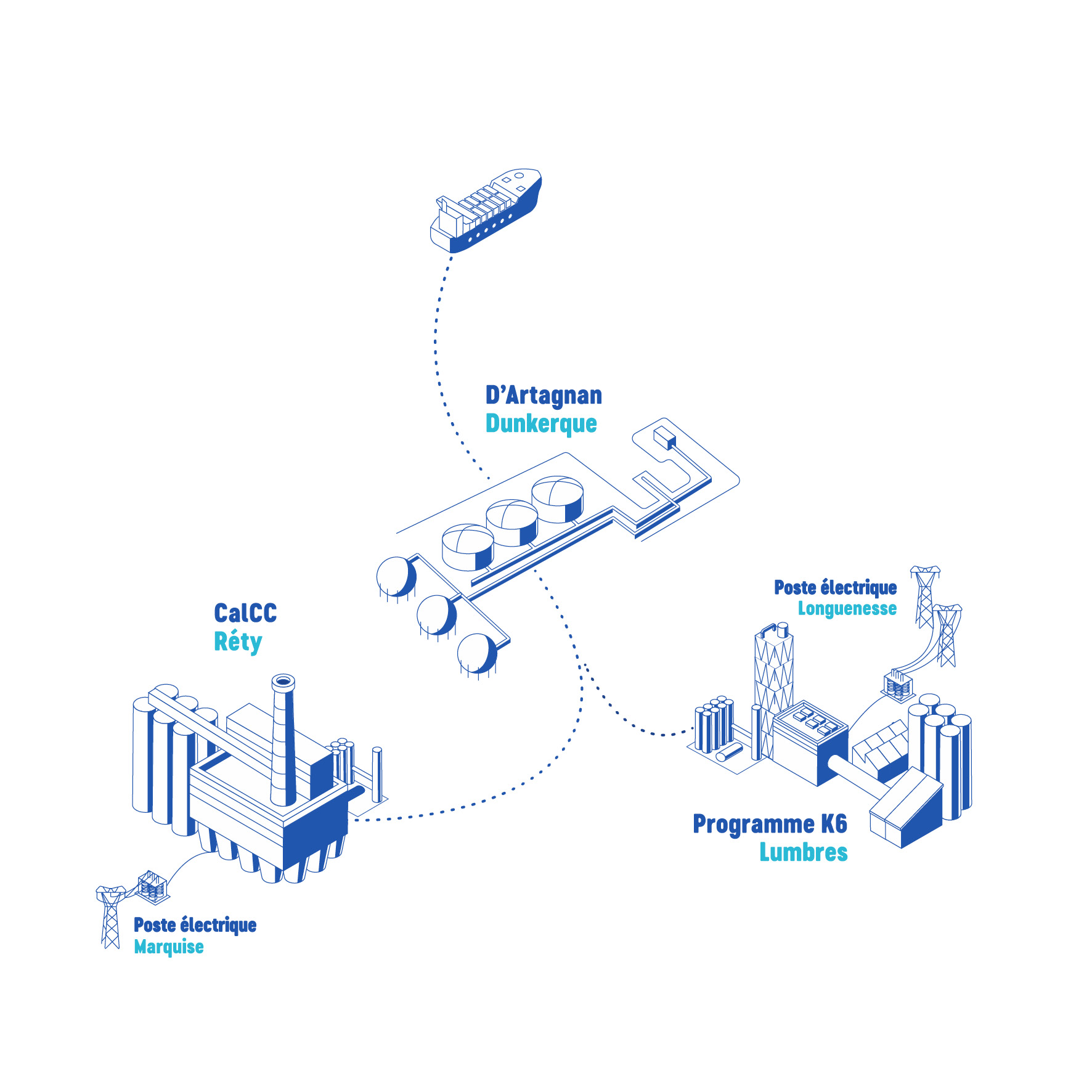
The D’Artagnan project, jointly led by Air Liquide France Industrie and Dunkerque LNG, aims to deploy an innovative infrastructure for the transport and management of carbon dioxide (CO₂) in the Hauts-de-France region. This project comprises two main components: an underground pipeline network between the industrial sites of Lumbres, Réty and the port of Dunkerque, and a maritime terminal dedicated to receiving, processing and exporting CO₂ to storage sites in the North Sea. The total investment is estimated at €220 million.
An underground pipeline network between Lumbres, Réty and Dunkerque
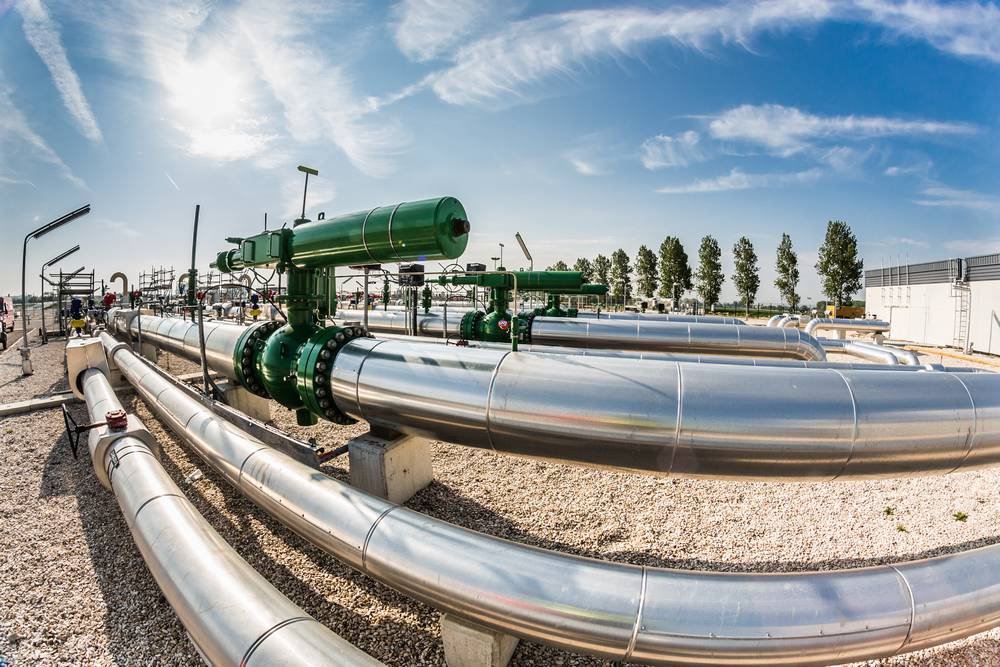
The CO₂ will be transported via an underground pipeline network, a preferred solution because of its efficiency, reliability, controlled operating cost and safety. Air Liquide France Industrie, which has extensive experience operating industrial gas networks in France, uses this method for supplying oxygen, nitrogen, argon and hydrogen.
A distinctive feature of the D’Artagnan project is that CO₂ will be transported in a dense liquid form, a state achieved by a precise combination of temperature and pressure. This transport method combines the high density of the liquid (thus reducing the volume required) with the ease of movement characteristic of gases. This technology also allows the diameter of the pipelines to be reduced, limiting the environmental impact of the works.
Route definition: a rigorous and participatory process
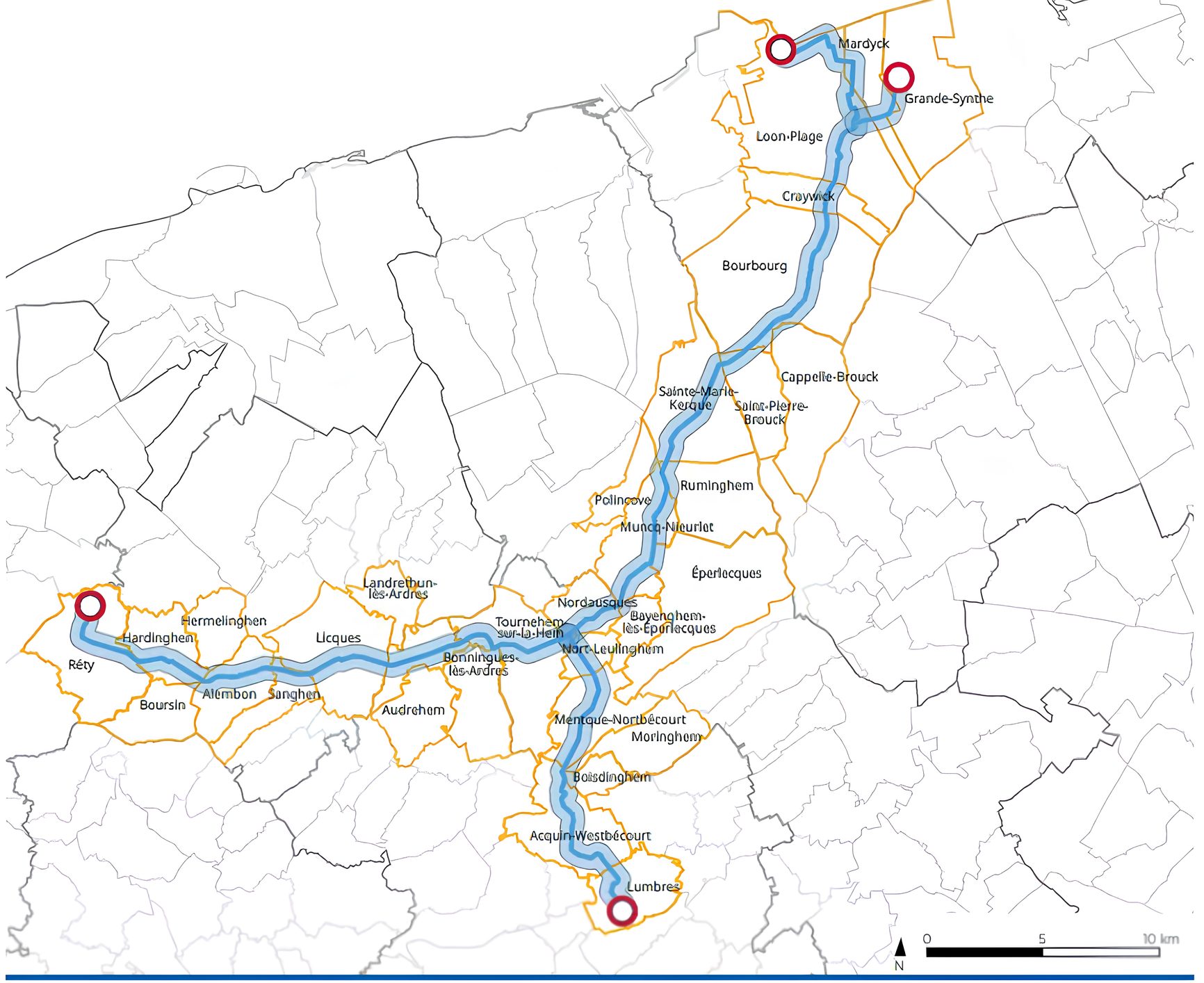
The route for the approximately 80 kilometres of pipeline between Lumbres, Réty and Dunkerque is still under study. The route definition follows a “funnel” methodology that integrates several stages of analysis and decision-making to take into account environmental issues (protected areas, wetlands), local land uses (agriculture, urban planning) and technical constraints (topography, geology).
©Cap Décarbonation
This approach fully respects the principle of “avoid-reduce-compensate,” prioritising the avoidance of sensitive areas. Preliminary studies have identified a potential corridor presented during the public consultation. Feedback from local stakeholders, combined with ongoing regulatory studies, will make it possible to choose a route with “minimal impact.”
Environmental and social impacts of the construction
The organisation of the construction works, which will need to be coordinated with all stakeholders — landowners, farmers, local authorities, network managers and residents — is a key element. Environmental, biodiversity, landscape and quality-of-life protection measures will be implemented during the works.
Once the works are completed, the impact of the pipelines on their environment will be very limited, much lower than that of road or rail infrastructures. The pipelines will be bordered by clearly defined easement strips, marked with markers so as not to interfere with agricultural activities or other uses.
An innovative CO₂ terminal at the port of Dunkerque
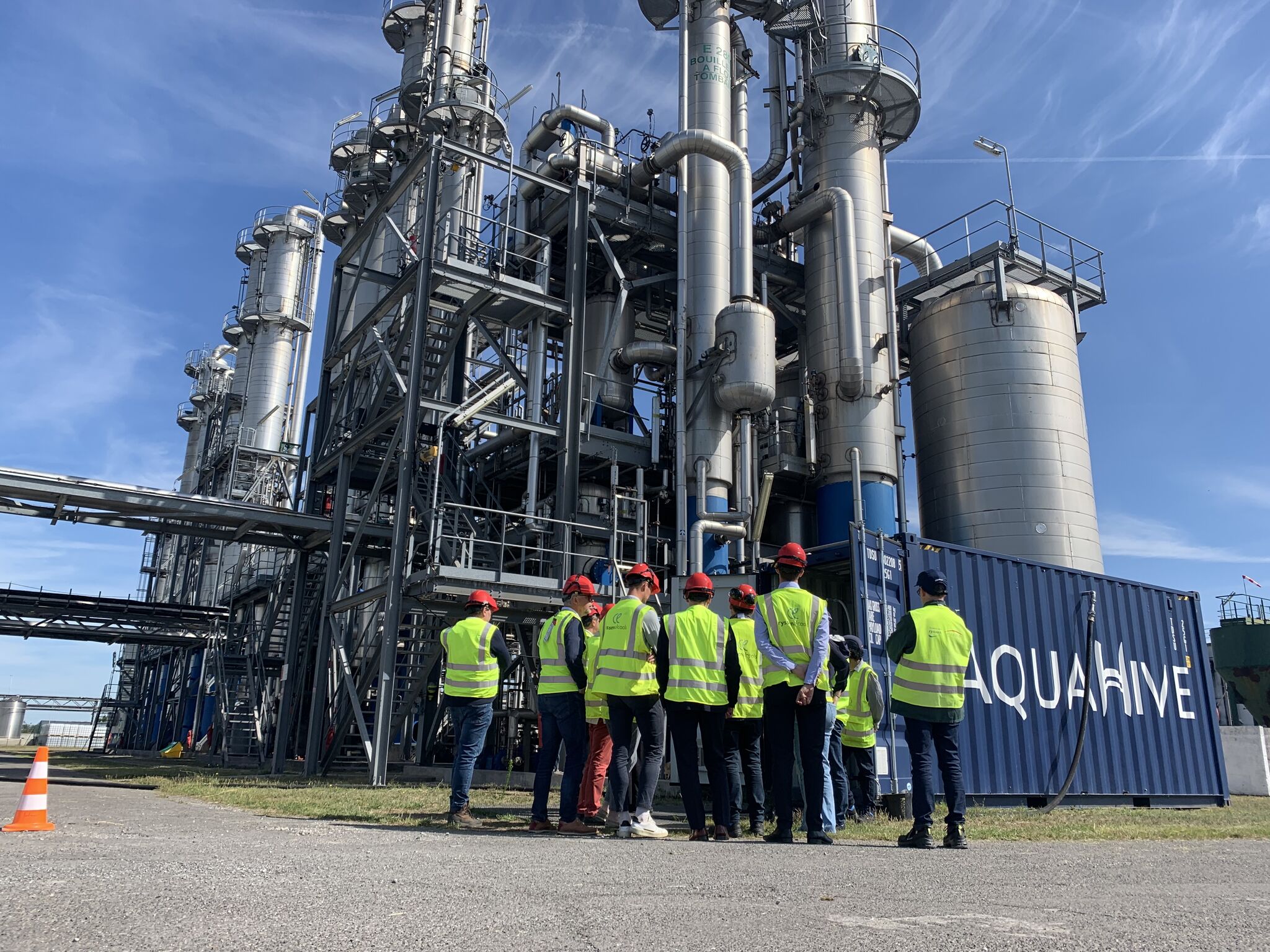
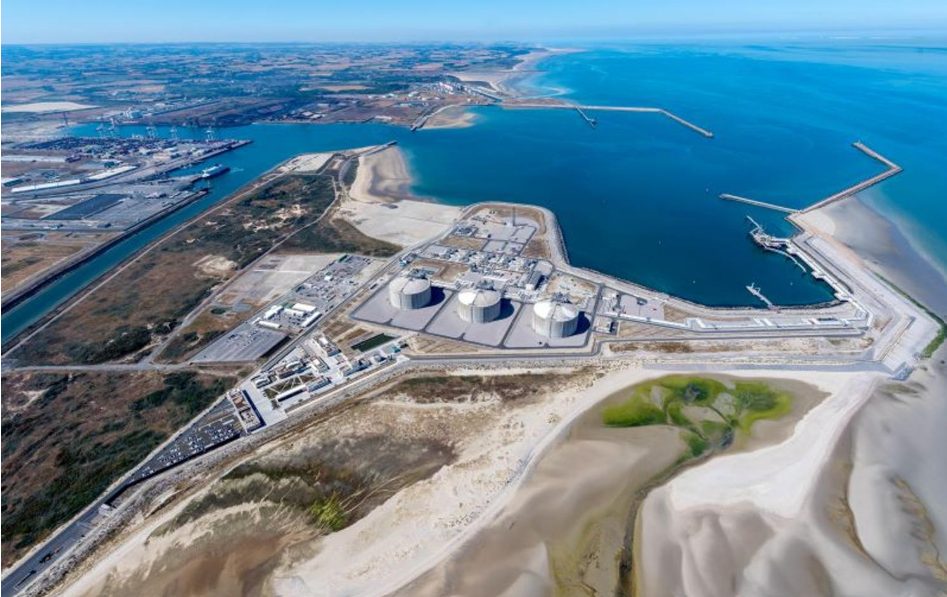
Located on the port of Dunkerque, in the western outer harbour, the future CO₂ Terminal will be built close to the existing LNG terminal. This terminal will receive the liquefied CO₂ from the industrial sites of Lumbres and Réty, re-liquefy it for temporary storage in tanks and prepare it for maritime export via a new 200-metre jetty.
The liquefaction and storage technologies used are mature and widely proven in the industrial gas sector. Operating exclusively on electricity, they limit the terminal’s carbon footprint.
The terminal will be constructed on a former port platform, which limits the use of new natural areas. Situated in an industrial environment, away from residential areas, it will have a limited environmental impact. The main visible effect will be a moderate increase in maritime traffic, with 3 to 5 ship calls per week, compared to one ship every two days currently for the LNG terminal. A rigorous industrial risk analysis is underway to define appropriate safety measures.
A public inquiry is underway
The public inquiry regarding the construction and operation of the gas transport pipelines will end on 14 November 2025.
-
Chapters
Ces publications pourraient vous intéresser