

Prospective, economic and legal study on the use of non-conventional water and the development of an incentive-based pricing system
RÉSUMÉ
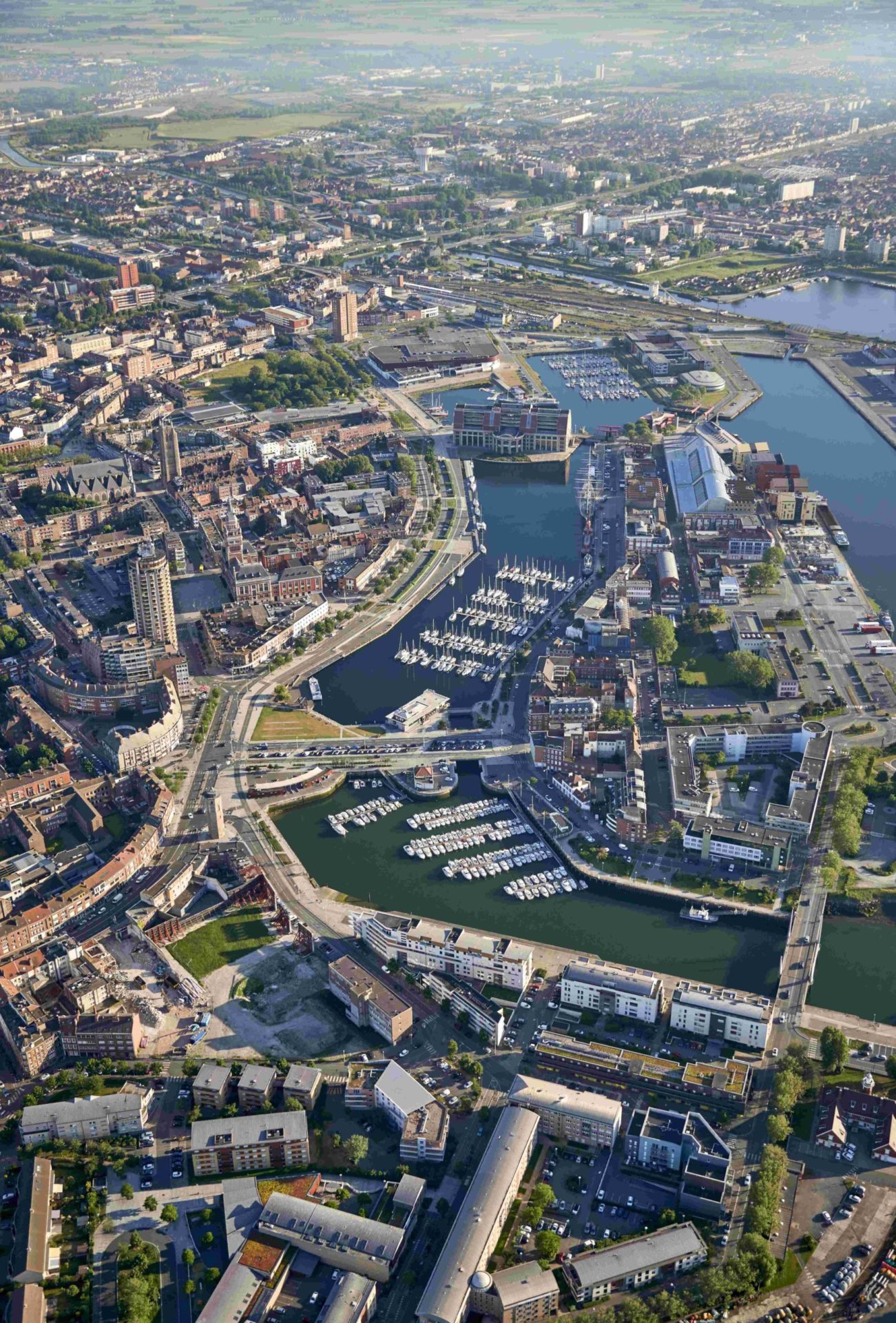
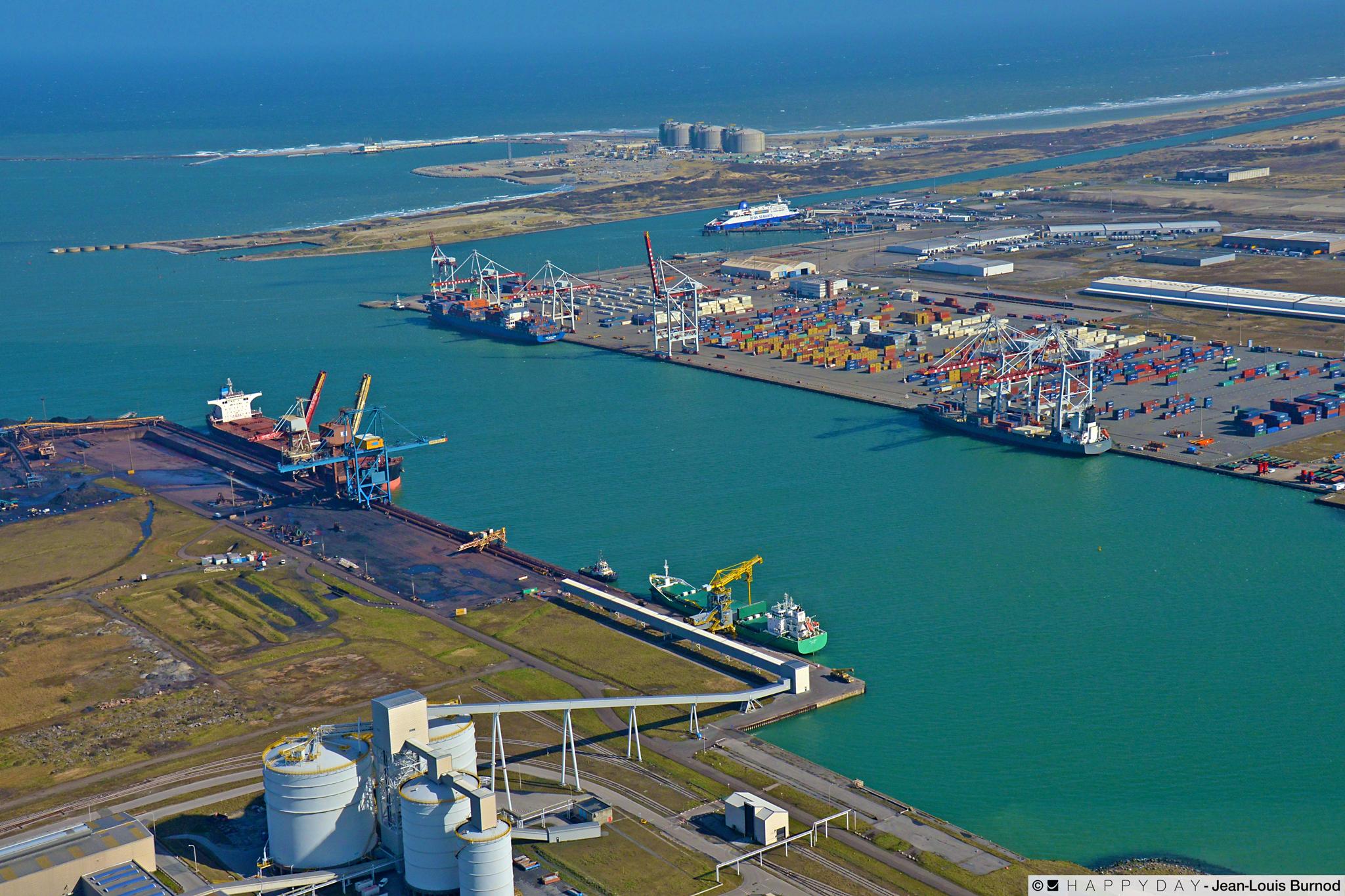
The Dunkirk area is a highly industrialized territory, with industrial water consumption exceeding 22 million cubic meters in 2024. In a context marked by climate change and industrial expansion, securing and optimizing water resources have become top priorities.
To this end, ÉcosystèmeD has conducted two complementary studies: a technical study exploring a raw water storage solution to ensure supply during summer periods, and a tariff study focusing on the future restructuring of industrial water pricing. The technical study assesses the feasibility of winter storage of 500,000 m³ of Wateringues water to be used during low-flow periods.
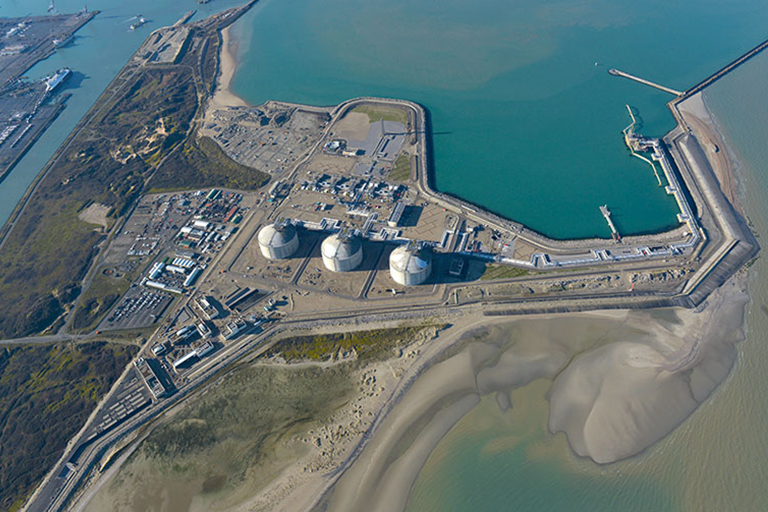
Three potential sites within the port area were analyzed, and three storage configurations were compared: underground, above-ground, and an alternative option based on the extension of the Puythouck Lake.
The tariff study highlights significant disparities in industrial water access costs, with major consumers currently benefiting from a lower price per cubic meter than smaller users. The proposed reform aims to reduce these gaps, encourage water efficiency and the use of non-conventional water sources, while anticipating future local water governance. Four cumulative scenarios were tested, progressively integrating storage solutions and the necessary investments to secure access to non-conventional water through targeted, incentive-based pricing.
Together, these studies demonstrate the complementarity between technical and economic levers. Looking ahead to 2030, they lay the foundations for an integrated territorial model that combines secured resources, incentive-based pricing, and renewed governance among local stakeholders, supporting the ecological and industrial transition of the Dunkirk industrial-port zone (ZIP)
-
Chapters