Comilog invests €42 million in a new low-carbon silicomanganese furnace
In Gravelines, Eramet subsidiary takes a major step towards more sustainable steelmaking with the installation of a new pyrometallurgical furnace. A strategic €42 million investment that both increases production capacity and significantly reduces CO₂ emissions.
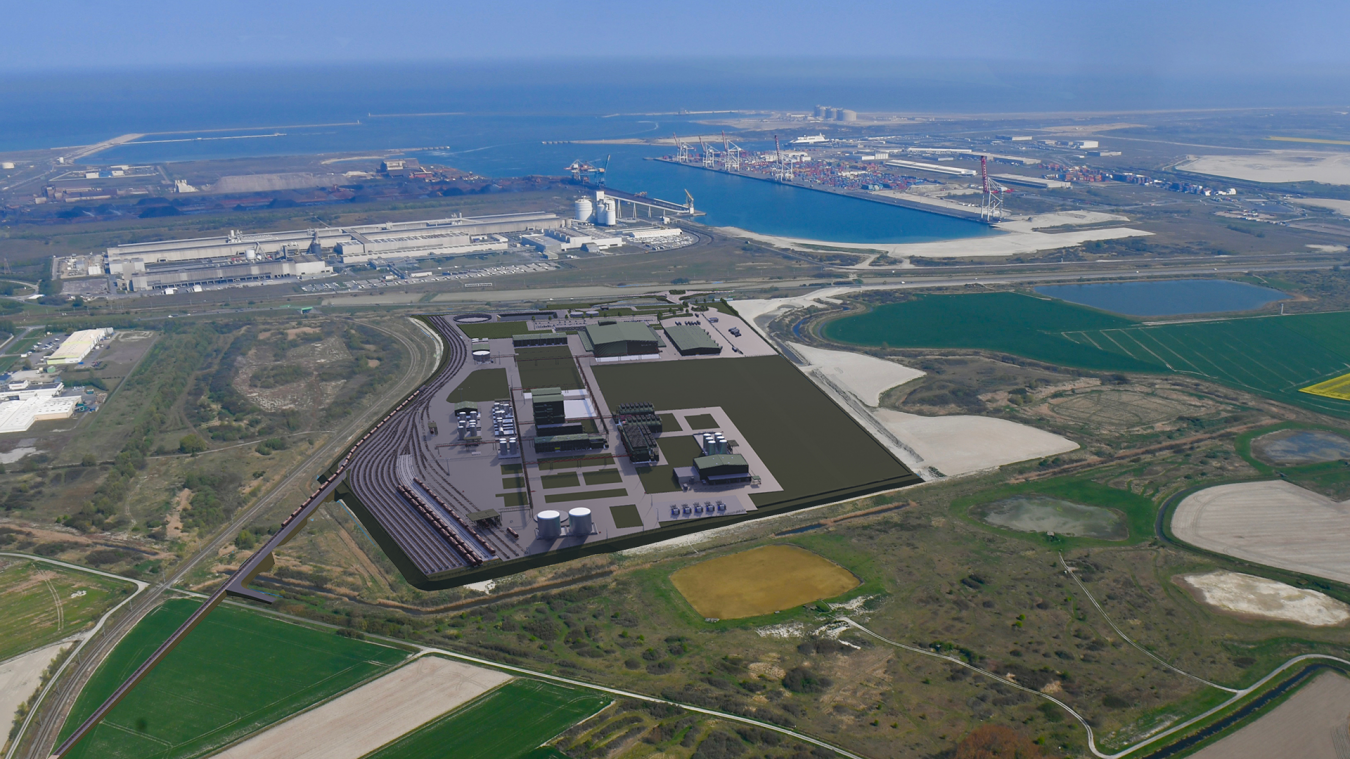
On 24 June, the Comilog site in Gravelines, a subsidiary of the French group Eramet, inaugurated a new pyrometallurgical furnace in the presence of numerous local economic stakeholders. This new facility, replacing a furnace installed more than 35 years ago, represents a major technological and environmental turning point for the Dunkirk-based site.
+20% PRODUCTION, –50% CARBON EMISSIONS
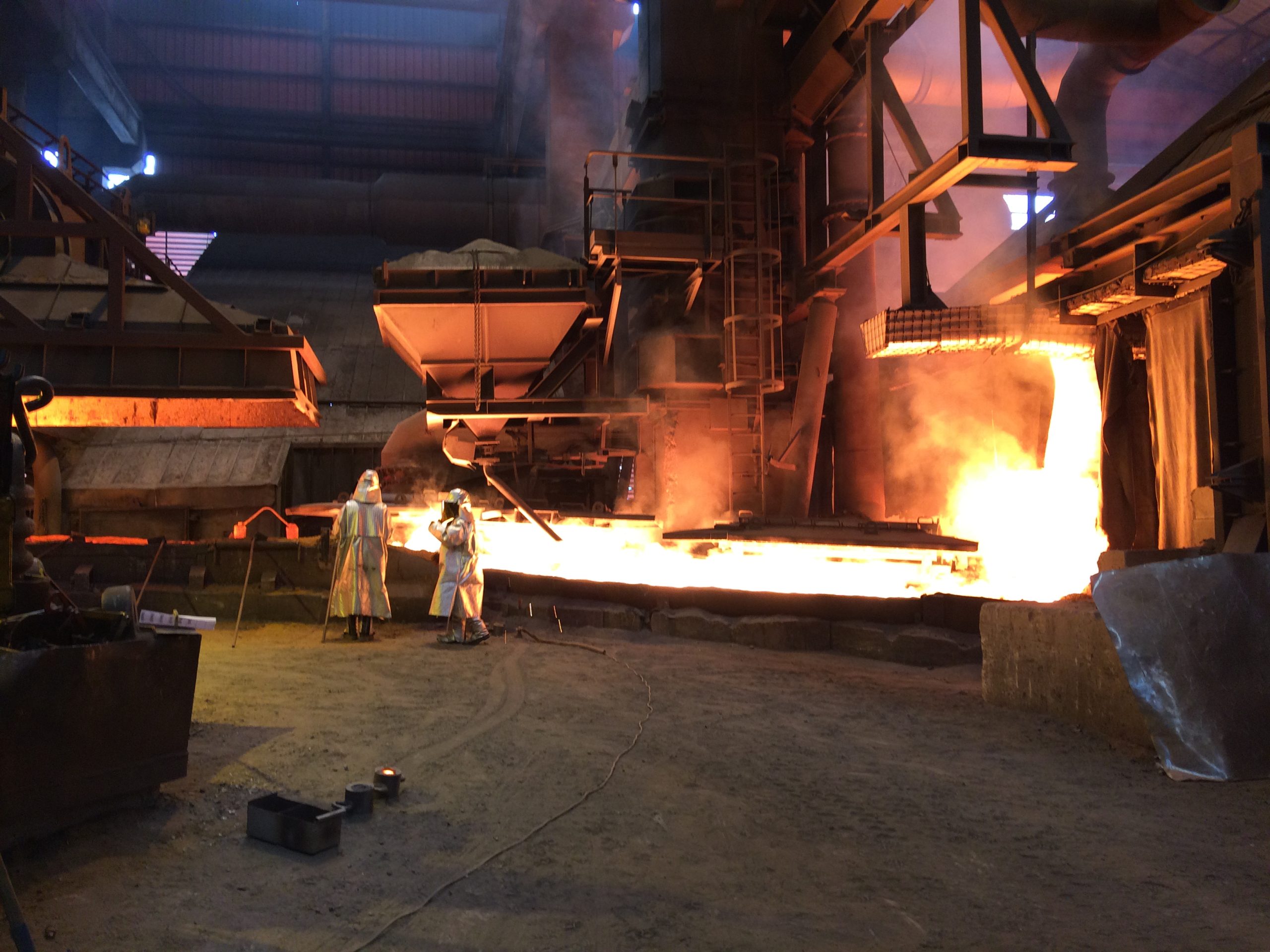
Commissioned at the beginning of 2025 after several months of testing, the new furnace is now fully operational. Featuring increased power and coupled with a new very high-capacity cooling tower, it enables annual production of up to 78,000 tonnes of silicomanganese—an increase of 20%.
Beyond industrial performance, it is above all on the environmental front that this modernisation stands out. Thanks to the use of largely decarbonised electricity and the high manganese content of the ore mined by the Group, Comilog Dunkerque is able to produce an alloy with a carbon footprint of less than 1.9 tonnes of CO₂ per tonne of alloy—half the global average.
A GLOBAL MARKET, A LOW-CARBON AMBITION
The site’s production is mainly destined for steelmakers in France (23%), Europe (6%) and international markets, notably China. Despite the structural crisis affecting the European steel industry, demand remains strong.
“The market is cyclical, but currently very buoyant, which made this capacity increase essential,” explains Vincent Pomarède.
To go further in its decarbonisation strategy, Comilog is now focusing on the use of bio-reducers made from forestry residues, as a replacement for coke, which is highly CO₂-intensive.
“This represents a major technological shift. The choice of a semi-open furnace makes this transition easier. However, before taking this step, we need to secure supply, costs and logistics for these bio-reducers,” the site director points out.
The ambition is clear: to integrate them into the industrial process within two to three years, with the ultimate goal of achieving near-zero-carbon production.
Through this investment, Comilog is fully aligned with the energy transition momentum driven by the Dunkirk region and the major players in the steelmaking value chain—a concrete step towards a greener, more competitive and more resilient industry.
Download the brochure dedicated to decarbonisation of the region
-
Chapters
You might like…