In Dunkirk, sustainable fashion is gaining popularity thanks to second-hand clothing
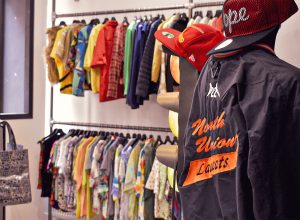 Buying second-hand clothing is much more than just a consumer choice: it is a powerful gesture for the environment, but also for your wallet. Second-hand clothing generates 82% less carbon footprint than new clothing (BPI France 2024). By reusing existing items rather than producing new ones, we significantly reduce the use of raw materials, water and energy.
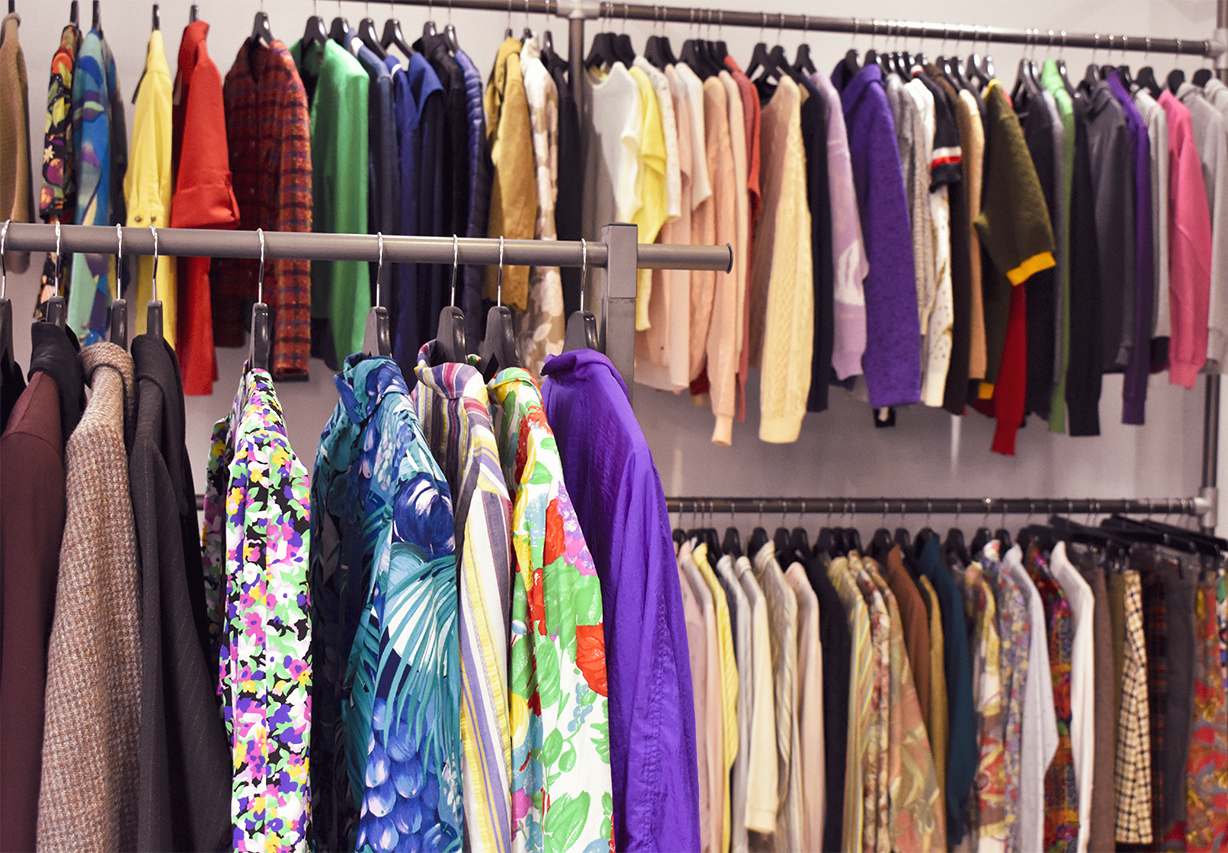
But second-hand shopping isn’t just an eco-friendly approach, it’s also an opportunity to find unique items that are sometimes impossible to find in traditional shops. Thrift shops are full of treasures: customised and upcycled jackets at Old Friends, vintage accessories and local collaborations at Trézor, and unique creations made from recycled textiles at Fripes Chic… These inspiring addresses, far from exhaustive, help to breathe new life into clothing while promoting craftsmanship.
In terms of budget, the circular economy also opens up a world of possibilities. Consignment shops and resource centres, such as Emmaüs (Grande-Synthe, Dunkirk, Bergues) and De fil en récup (Watten, Esquelbecq), offer a wide range of clothing accessible to everyone, from infants to the elderly. These organisations, which are often non-profit, can also promote professional integration and local mutual aid.
Between vintage clothing shops, permanent garage sales, charity shops and even flea markets, second-hand goods prove that it is possible to combine fashion, ethics, ecology and savings…
-
Chapters
You might like…